
Learn how fabric composition affects stretch, comfort and drape, and what to check before choosing a woven blend for womenswear.
A fabric label can be very specific: polyester, lyocell, elastane, each with a percentage beside it. What you need to know may be more practical. Will the trousers give when you sit down? Will the blouse crease easily? What needs checking before you approve the fabric?
Fabric composition tells you which fibers are present and in what proportions. Fabric blends combine different fibers to work towards a particular hand, appearance or performance. For womenswear, start with the garment: a fluid blouse and fitted trousers ask different things of a fabric. The label helps you decide what to inspect next.
Is polyester stretchy? Check the elastane and the fabric construction
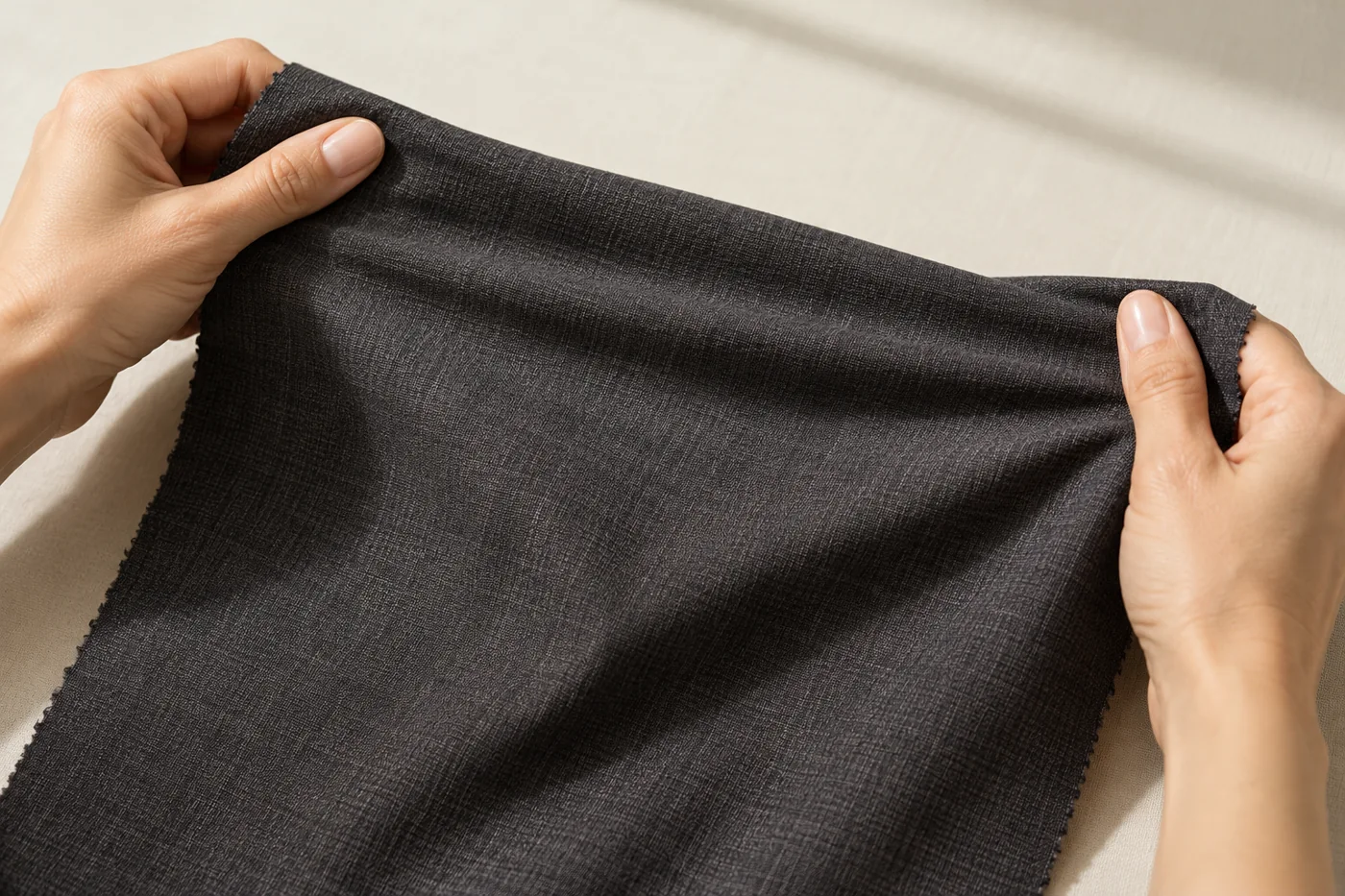
Elastane, also called spandex, adds stretch. Even a small proportion can change how a fitted woven fabric moves. But the percentage is not the fabric’s stretch percentage. Check the direction of stretch and how well the material returns after being extended.
The name polyester alone does not tell you how much a woven fabric stretches. For a polyester spandex fabric, check the finished material’s stretch direction and recovery rather than assuming a result from the blend ratio. Elastane and spandex are two names for the same fiber type. Neither name tells you the fabric’s stretch percentage.
For trousers, look beyond how easily a swatch pulls. A stretch woven fabric needs recovery suitable for the intended fit. Ask how it performs after repeated extension and the intended care process.
Does polyester wrinkle? Resistance is useful, but not a guarantee
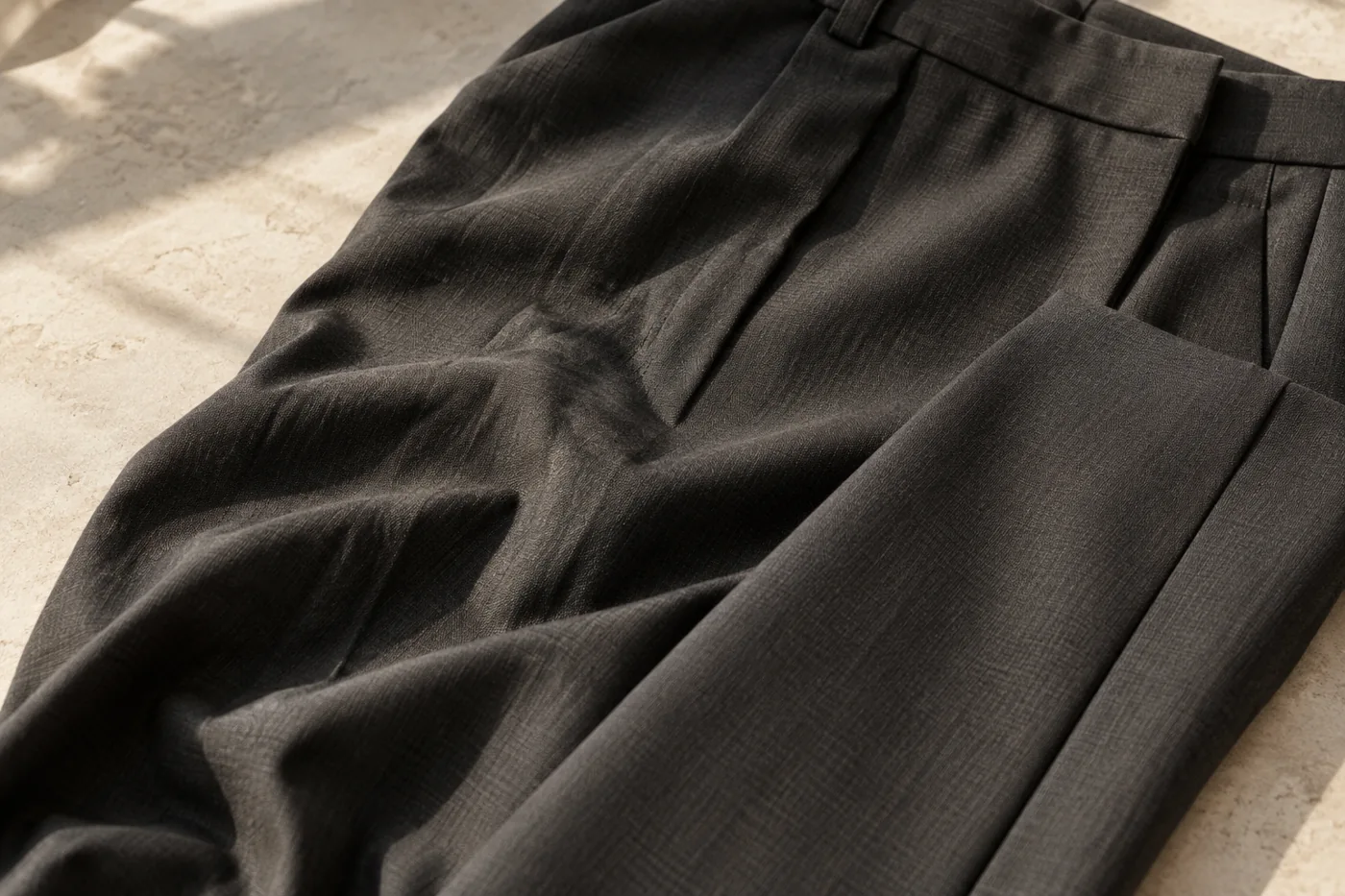
Polyester is often used to support strength, abrasion resistance and wrinkle resistance. Those are useful qualities in garments expected to see regular wear.
Polyester can wrinkle; wrinkle resistance is not the same as being wrinkle-free. Adding polyester does not guarantee a durable fabric, either. Yarn, weave and finishing choices still matter. If you need a wrinkle resistant fabric for everyday clothing, compare the finished swatch after the intended wear and care conditions.
Lyocell fabric: softness and drape for a blouse or dress
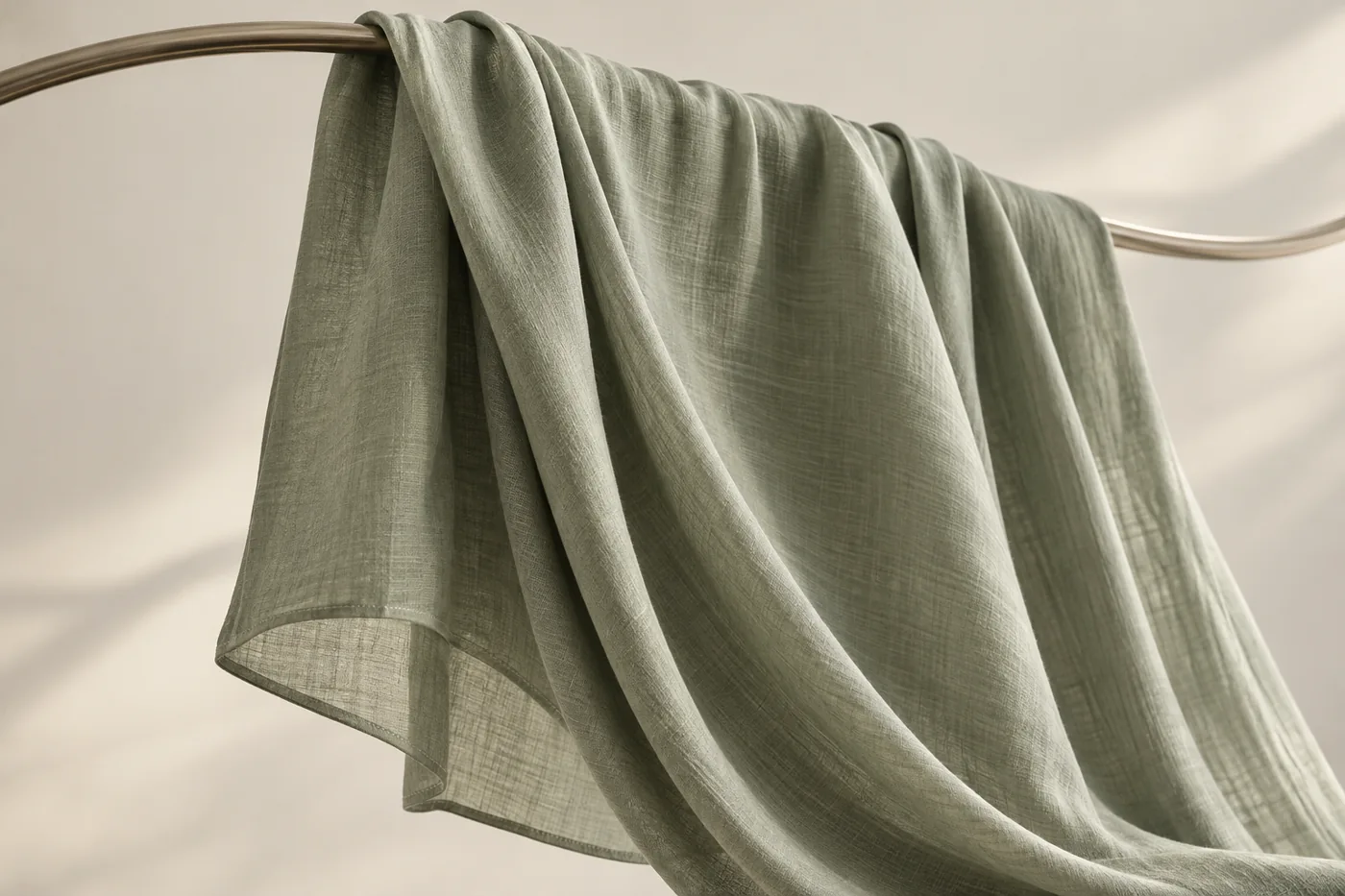
Lyocell can contribute softness and a smooth hand. Its moisture absorption is another reason to consider it in a blend. Depending on the construction, it can also help create a more fluid drape.
For a blouse or dress, feel the surface and hang the swatch. You are choosing the finished fabric, so the way it falls matters as much as the composition printed beside it.
Lyocell vs modal: choose the finished fabric, not a universal winner
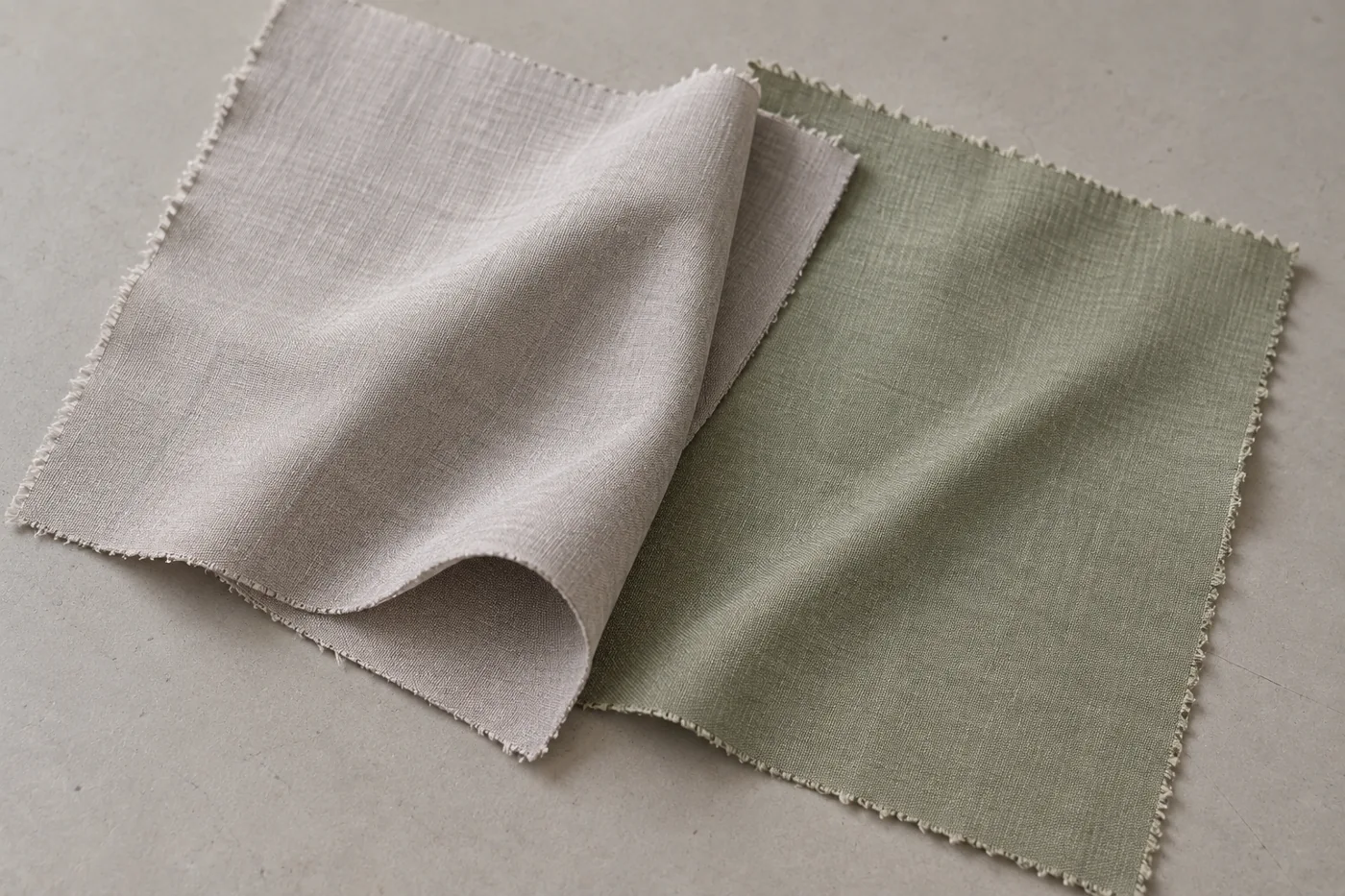
Modal fabric is also based on regenerated cellulose and is often considered for softness and moisture absorption. It can contribute to a supple drape. When comparing lyocell vs modal for a woven garment, compare swatches with the intended hand, weight and construction. The fiber names alone do not establish which one will work better.
Absorbing moisture, moving liquid through fabric and drying are different behaviours. A modal blend should not automatically be described as moisture-wicking or quick-drying. Those claims need evidence from the finished material.
Silk blend fabric: how much sheen does the design need?
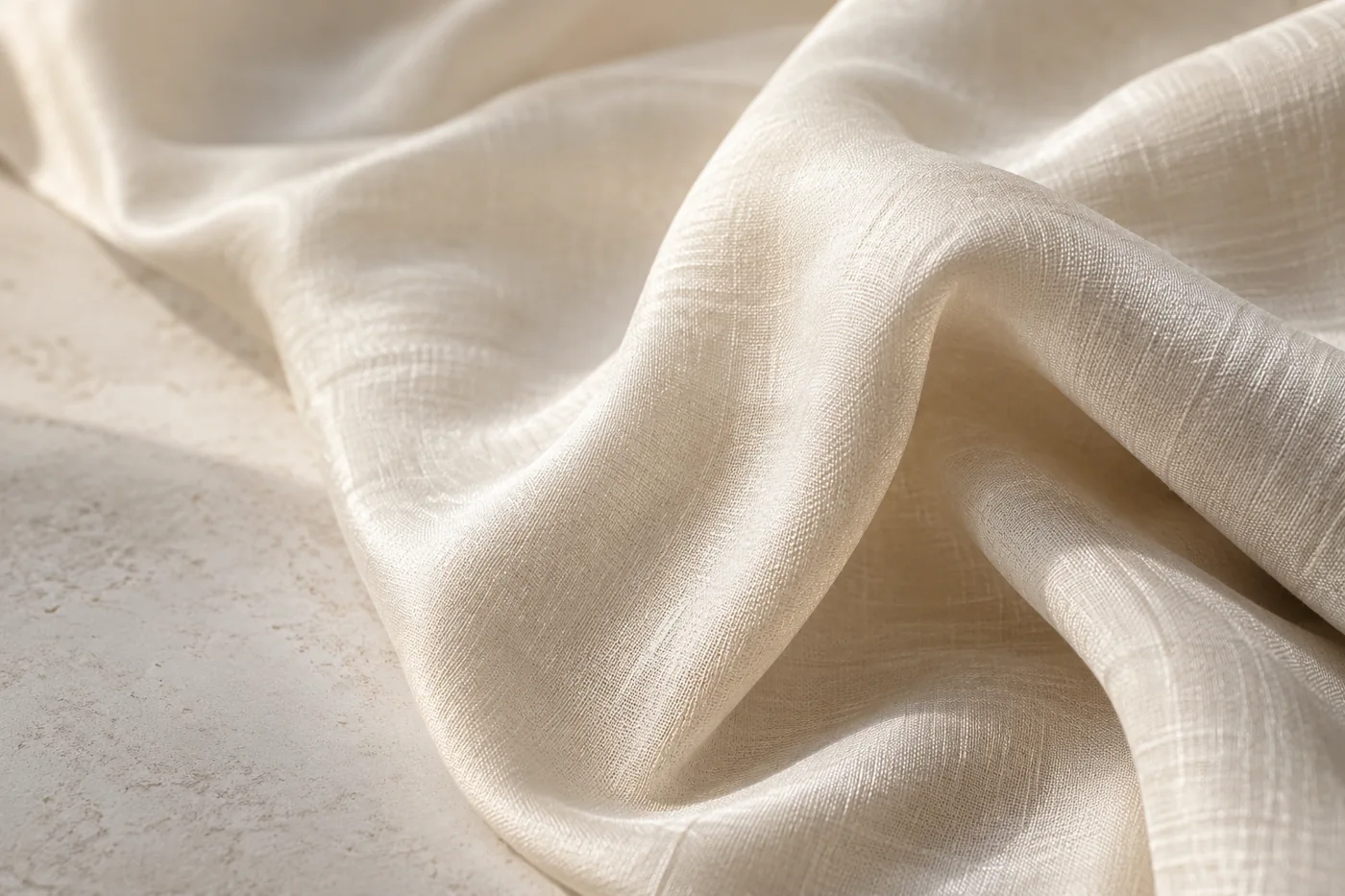
Silk can bring a distinctive hand and luster to a blend. The effect varies with the yarn, weave and proportion used; a silk blend does not have to look glossy.
For womenswear, consider how much sheen suits the design, then check the care requirements. “Contains silk” tells you an ingredient. It does not settle whether the fabric is right for daily use.
Acetate fabric: fluidity and surface character
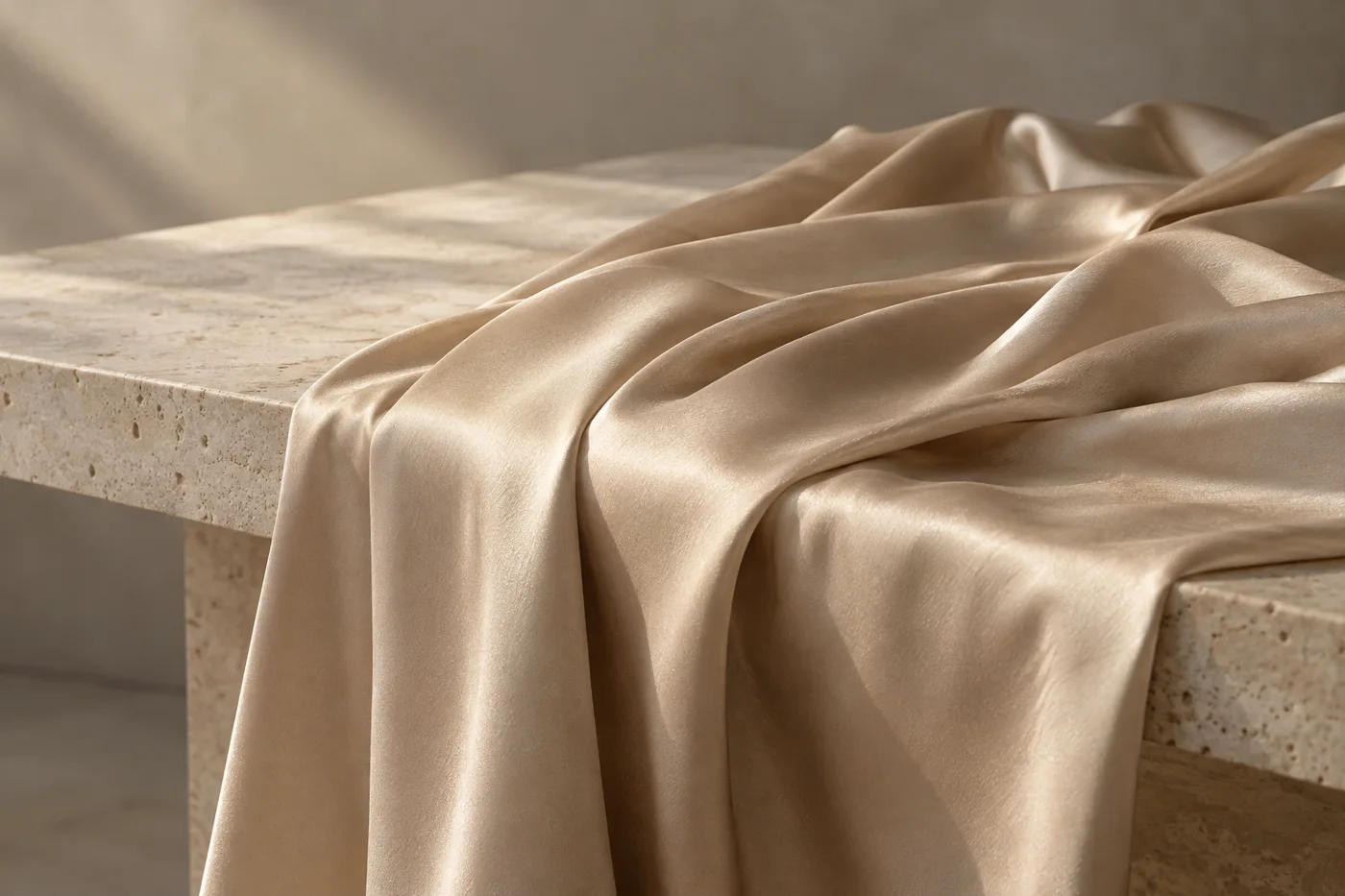
Acetate can be considered for a smooth hand, luster and drape. Some acetate fabrics also offer a cool sensation on first contact with the skin.
That initial touch is not a promise of sustained cooling. If cooling is part of the product brief, assess the actual fabric. “Premium feel” is also too broad to serve as a specification: describe the surface and drape you want instead.
Questions to settle before approving a fabric blend
Is polyester breathable? That question needs a fabric specification, not just a fiber name. Air movement through the cloth, moisture absorption and liquid moisture transport are different properties. Ask which one the garment needs and assess the finished fabric accordingly. A breathable fabric claim should describe what has actually been evaluated.
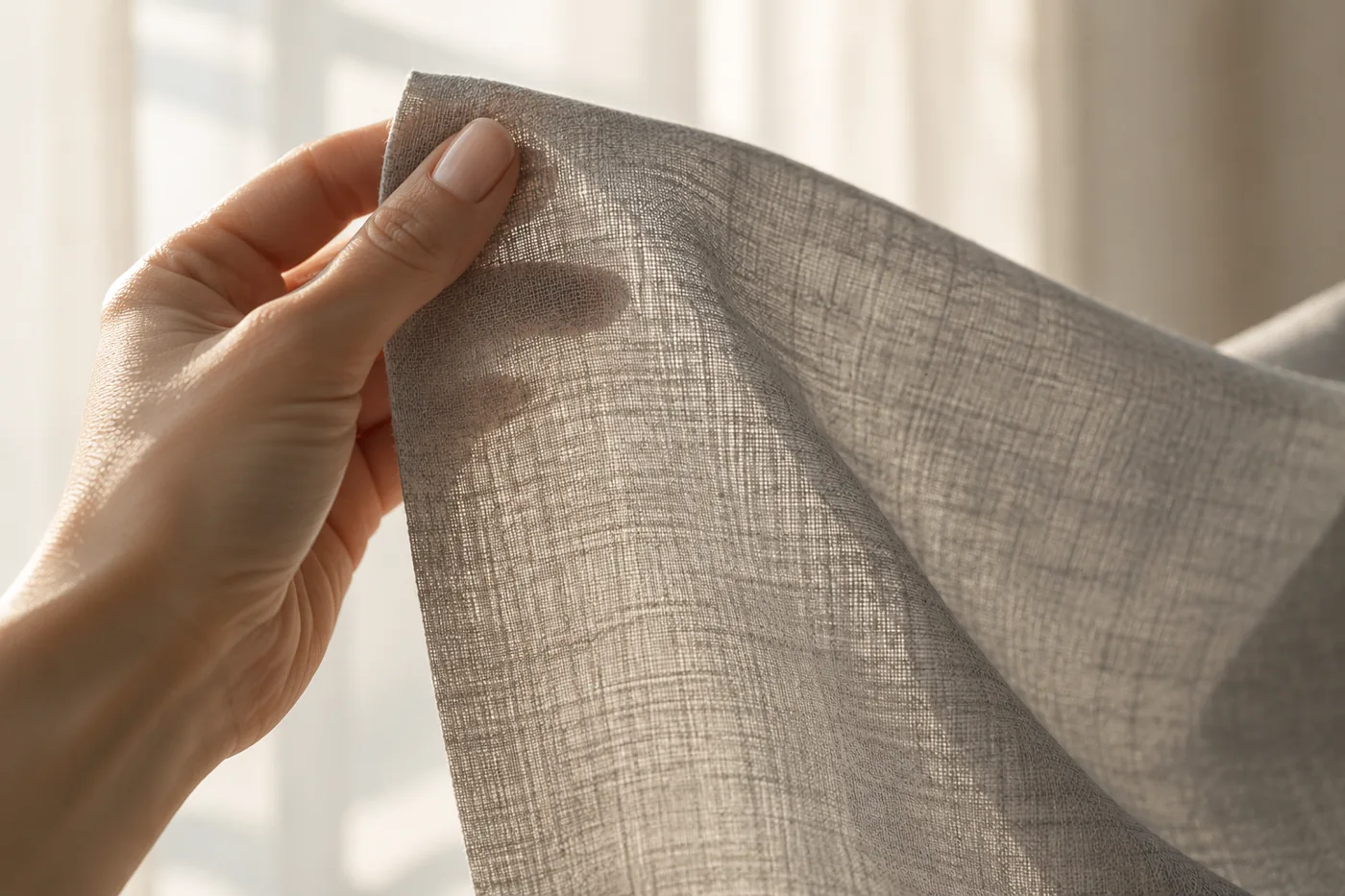
Does lyocell shrink? Does modal shrink? Do not assume either fiber name guarantees dimensional stability. Request shrinkage results for the finished blend under the proposed care conditions, including changes in both length and width. Use those results when approving the garment specification.
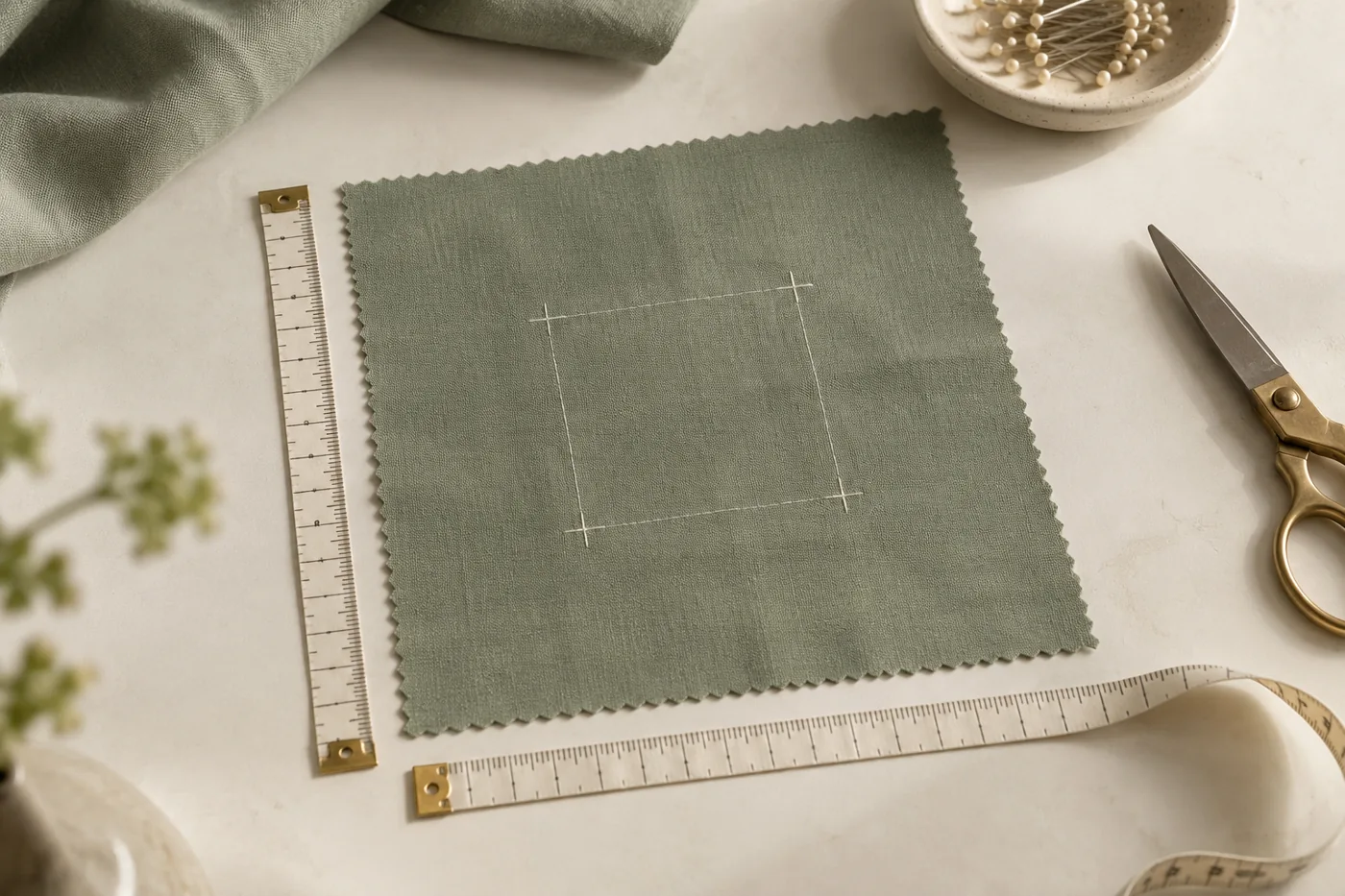
Does polyester pill? It can. Abrasion resistance and fabric pilling are separate concerns. If a surface staying neat is important, request a pilling assessment rather than using the polyester content as a shortcut.
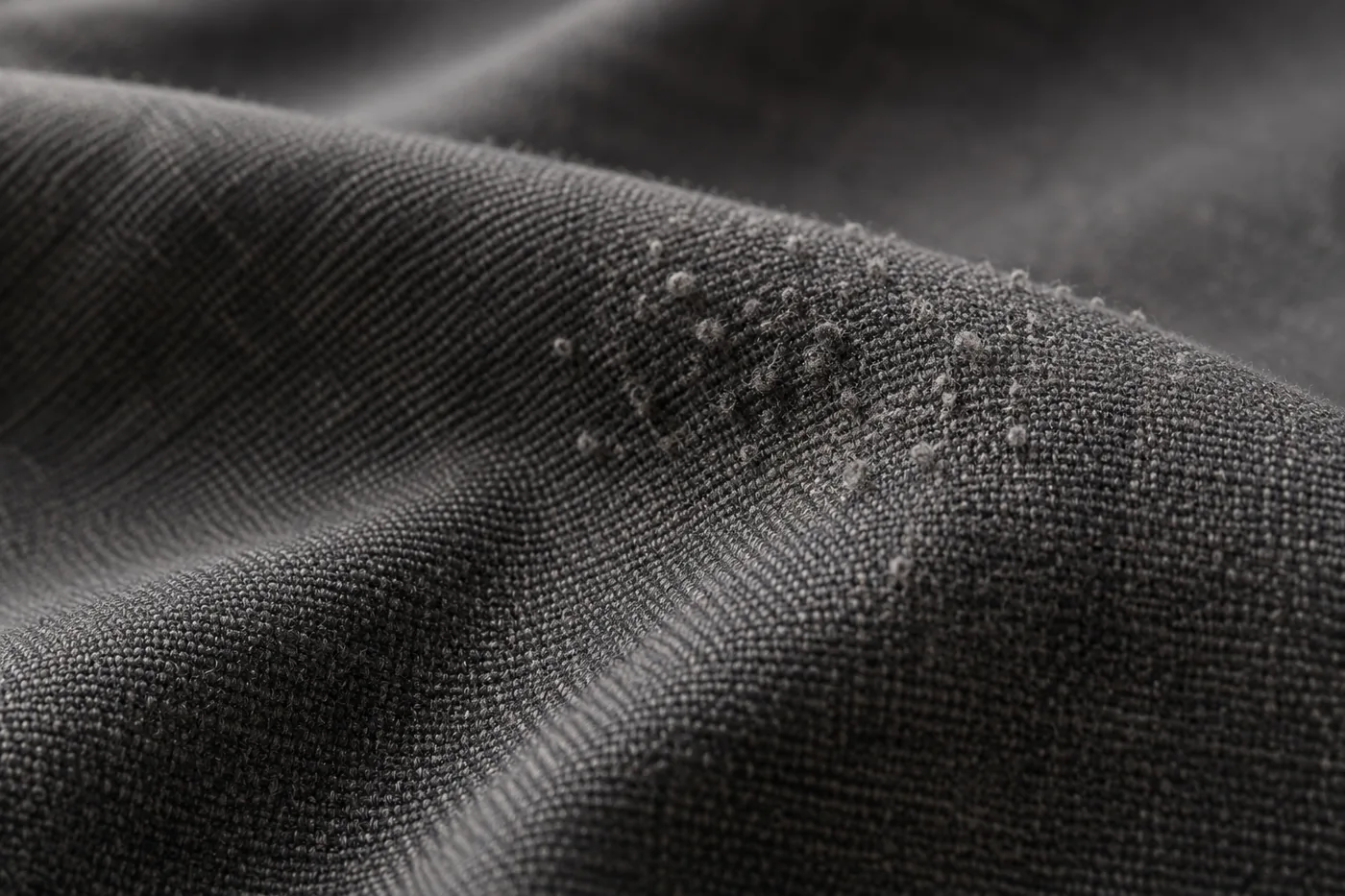
Match the checks to the garment
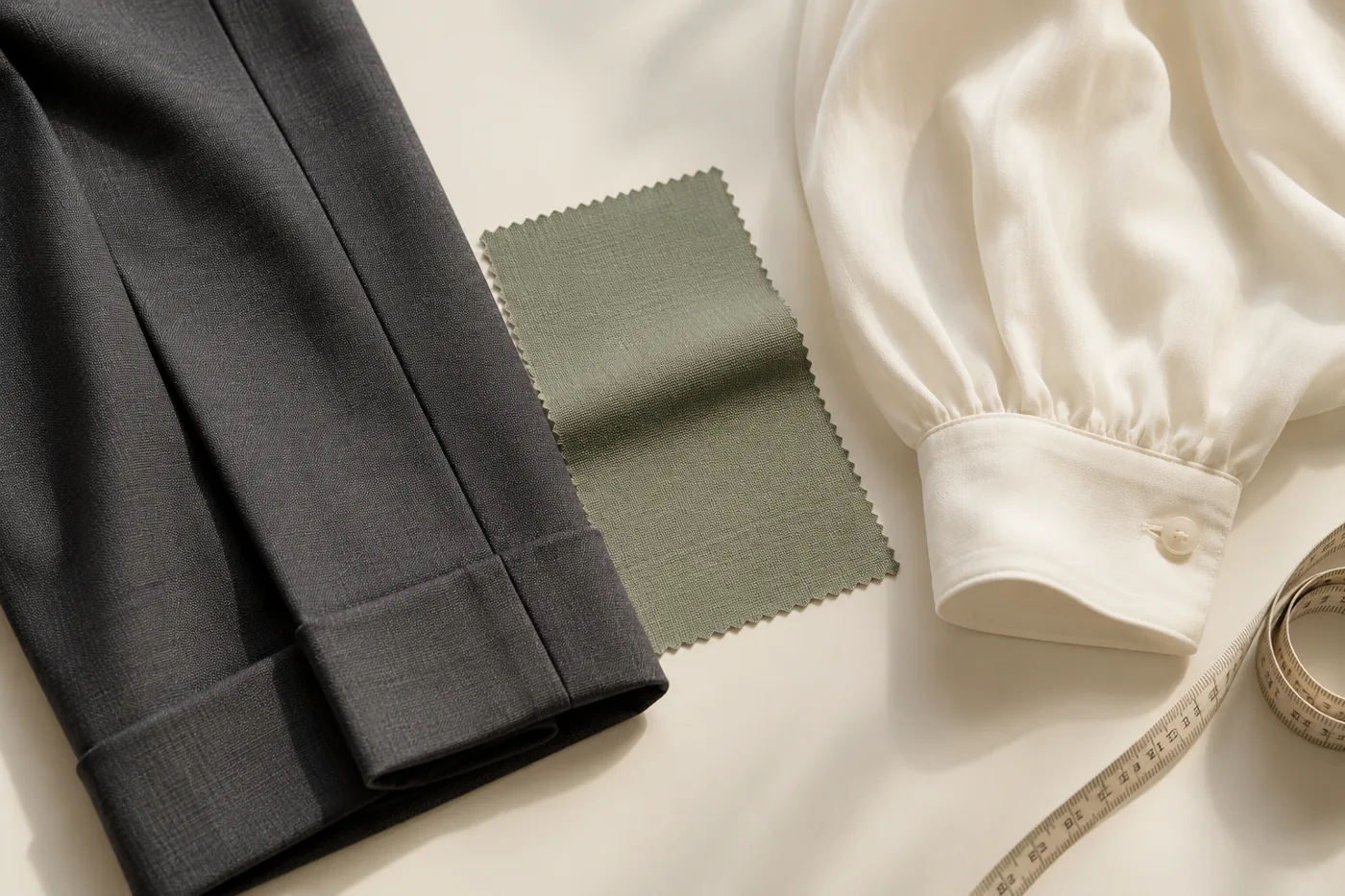
Use the composition to guide the next conversation. For fitted trousers, ask about stretch and recovery. For a fluid blouse, compare hand, drape and opacity. For an everyday garment, establish the intended care method and check the fabric after that care process.
Request the relevant test results when the design depends on a performance claim. A blend can help solve a practical problem. The useful question is whether this particular fabric solves yours.
Developing a woven fabric for womenswear? Share the intended garment, the handfeel you want and the care requirements with SEMO.
Fabric blends at a glance
| Fiber | Potential contribution | Garment context | What to check |
|---|---|---|---|
| Elastane / Spandex | Stretch | Fitted woven trousers | Stretch direction and recovery |
| Polyester | Wrinkle resistance and durability | Everyday woven garments | Creasing, pilling and intended care |
| Lyocell | Softness, smooth hand and drape | Fluid blouses and dresses | Drape, opacity and shrinkage |
| Modal | Softness, moisture absorption and drape | Soft woven blends | Handfeel, shrinkage and moisture claims |
| Silk | Distinctive hand and luster | Blouses and dresses with suitable sheen | Luster, surface and care requirements |
| Acetate | Smooth hand, luster and fluidity | Fluid blouses, dresses and linings | Drape, care and any cooling claim |
These are design considerations, not guaranteed properties. Yarn, weave, finishing and blend ratio affect the finished fabric.
Editorial illustrations generated for this guide; they do not represent specific SEMO products or measured test results.